


Calm Kids
Help your child move through big feelings — tantrums, tears and overwhelm — without the whole day falling apart.
Big emotions aren't bad behaviour — they're a child without the skills yet. This guide shows you how to be their calm in the storm and teach them, gently, to find their own.
- Understand what's really behind meltdowns
- Co-regulation tools that actually calm
- Age-by-age emotion coaching scripts
- A toolkit your child can learn to use
Who this is for
Made for you if…
The meltdowns feel constant
Small things trigger huge reactions and you're walking on eggshells.
You feel helpless in the moment
You never know whether to hug, ignore, or hold a boundary — so you freeze.
You want them to cope
You want to raise a child who can name and handle their feelings, not bottle them.
What it solves
From struggle to solved.
The struggle
A tiny 'no' turns into a 45-minute meltdown.
What you'll do
Use the co-regulation steps to bring the intensity down before teaching anything.
The struggle
You don't know what to say when they're screaming.
What you'll do
Keep the age-appropriate emotion-coaching scripts ready for the moment.
The struggle
They bottle it up, then explode later.
What you'll do
Build the daily feelings practices that help emotions flow instead of build.
What's inside
52 pages of practical, ready-to-use help.
- 01What big emotions really are
- 02Your calm is contagious: co-regulation
- 03The tantrum, step by step
- 04Naming feelings so they shrink
- 05Boundaries that hold with warmth
- 06Building their calm-down toolkit
- 07When it's more than a phase
- 08Your gentle 10-day plan
Loved by families
What parents are saying.
My daughter now says 'I need a squeeze' instead of screaming. I could cry.
The step-by-step tantrum breakdown made everything click. Game changer.
Warm, wise and genuinely useful in the actual moment. Highly recommend.
Questions
Good to know.
How do I get the guide after buying?
What format is it, and can I print it?
What if it's not right for me?
Do I get future updates?
These guides offer general education and support and are not a substitute for professional medical, psychological, or other qualified advice. If you have concerns about your or your child's health or wellbeing, please consult a qualified professional.
You might also love
More gentle guides.
 Focus & ADHD
ADHD at Home
 Your Wellbeing
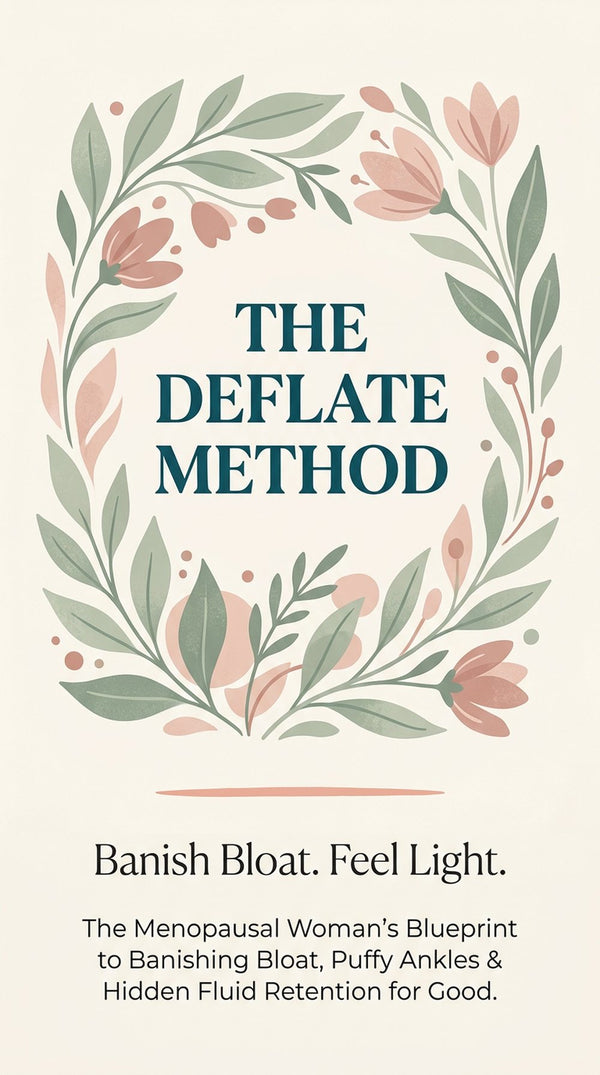
Deflate: Beat the Bloat
 Your Wellbeing
Gut Health Reset
 Teen Years
Teen Prep
 Confident Kids
Beating Bullying
 Family Harmony
Sibling Harmony
 Screen-Free
Screen-Free Family
 Confident Kids
Raising Confident Kids
 Calm Parenting
The Yelling Solution
 Calm Parenting